Resilience and Recovery: Christchurch EQ Rebuild 14 Years Later

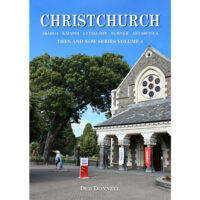
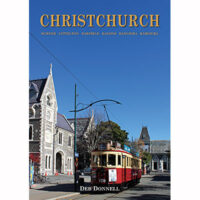
Our latest book shows the city fourteen years on from the 2010 and 2011 Christchurch EQs.

In the heart of New Zealand’s South Island lies Christchurch, a city that has endured the harshest tests of nature and human spirit. Following the devastating earthquake of 2011, which claimed 185 lives and shattered communities, Christchurch has shown remarkable resilience and an unwavering commitment to recovery.

This journey isn’t just about rebuilding physical structures; it’s about revitalising lives and restoring hope. From innovative urban design to community-led initiatives, the people of Christchurch are transforming adversity into opportunity.

In our latest book in the Christchurch EQ Then and Now series we explore the remarkable transformation of this vibrant city. We also uncover the stories of resilience that echo through its streets. Join us in witnessing how Christchurch is not merely recovering but flourishing, serving as a beacon of hope and inspiration for cities worldwide grappling with their challenges.

Overview of the Christchurch Earthquake

On February 22, 2011, Christchurch, New Zealand, was struck by a 6.3 magnitude earthquake that left the city in ruins. Although not the largest earthquake to hit the region, its shallow depth and proximity to the city center resulted in unprecedented destruction. Buildings crumbled, roads cracked, and entire neighborhoods were left unrecognizable. The quake claimed 185 lives and caused billions of dollars in damage, making it one of New Zealand’s deadliest natural disasters.

The earthquake not only devastated the physical landscape but also left an indelible mark on the psyche of its residents. The loss was immense, with homes, businesses, and historic landmarks reduced to rubble. The heartache was palpable as families mourned loved ones, and communities grappled with the enormity of the disaster. The city’s infrastructure was severely compromised, leading to widespread disruption of essential services like water, electricity, and transportation.

In the wake of such catastrophic events, Christchurch faced the monumental task of rebuilding. The challenge was not merely about restoring buildings but also about healing the community and fostering resilience. The journey of recovery would involve coordinated efforts from the government, local organisations, and the residents themselves, all working towards a common goal of a stronger, more resilient Christchurch.

The Immediate Impact on the Community

The immediate impact of the earthquake on the Christchurch community was profound. Within moments, lives were irrevocably changed as people fled from collapsing buildings and sought safety amidst the chaos. Emergency services were quickly overwhelmed by the sheer scale of the disaster, and the city’s landscape was dotted with rescue operations and makeshift shelters. The initial days were marked by a sense of urgency as search-and-rescue teams worked tirelessly to locate survivors.

The emotional toll on the community was immense. Many residents found themselves dealing with the trauma of losing loved ones, homes, and livelihoods. With entire neighbourhoods rendered uninhabitable, thousands were displaced, leading to a humanitarian crisis. The sense of loss and uncertainty was palpable, and the community had to come together to support one another through this difficult time.

In the immediate aftermath, the resilience of the Christchurch community began to shine through. Neighbours helped neighbours, strangers offered support, and local organisations rallied to provide essential services. Despite the overwhelming devastation, a spirit of solidarity emerged, laying the foundation for the long road to recovery. The initial response was a testament to the strength and unity of the Christchurch community.

Christchurch Books & Publishing Services by KESWiN Publishing
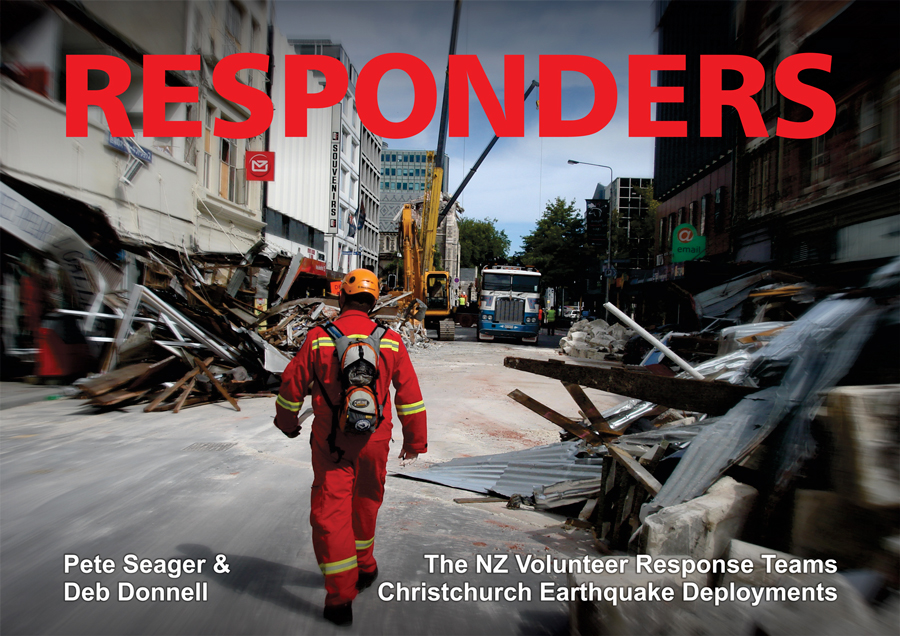
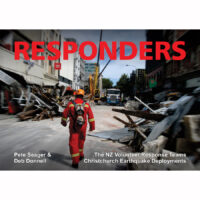
Responders by Pete Seager and Deb Donnell is one such book which tells the stories of the days, weeks, and even months after the 2010 and 2011 Christchurch EQs.

The Role of Local Government in Recovery

The role of the local government in the recovery process was pivotal. Tasked with coordinating the massive rebuilding effort, the Christchurch City Council and other government agencies had to act swiftly and decisively. Immediate priorities included ensuring public safety, restoring essential services, and providing support to the affected population. The establishment of the Canterbury Earthquake Recovery Authority (CERA) was a critical step in managing the reconstruction efforts.

The local government worked closely with international experts to develop a comprehensive recovery plan. This plan focused on not just rebuilding physical infrastructure but also on economic recovery, social well-being, and environmental sustainability. Funding and resources were allocated to various projects aimed at revitalising the city, with a particular emphasis on creating a more resilient urban environment. This strategic approach ensured that the recovery efforts were well-coordinated and effective.

Community engagement was a key aspect of the local government’s recovery strategy. Residents were encouraged to participate in decision-making processes, ensuring that their voices were heard and their needs addressed. Public consultations and workshops were held to gather input on various aspects of the rebuilding process. This inclusive approach helped foster a sense of ownership and empowered the community to play an active role in Christchurch’s recovery.

The Impact On and Role of Local Business in the Rebuild and Recovery

The central city business community was severely impacted by the Christchurch EQ. Immediately after the February 2011 earthquake, a “Red Zone” Cordon was set up around the bulk of the inner city. This was due to the extensive damage to buildings in the Central Business District (CBD). 

KESWiN Publishing’s founder, Deb Donnell, had grown up and worked in the CBD for most of her life. Her parents owned Donnell Jewellers at 281 High Street (near the intersection of Colombo and Hereford Streets). Her father had apprenticed at another High Street jewellery store from the age of 15. Then in 1975 he purchased his own jewellery store and set up his own manufacturing workshop. 

In fact, Deb was working in the family business on the day of the February 2011 earthquake, and when she emerged from their broken premises, she decided to document, write and publish books telling the Christchurch EQ story, rebuild and recovery.

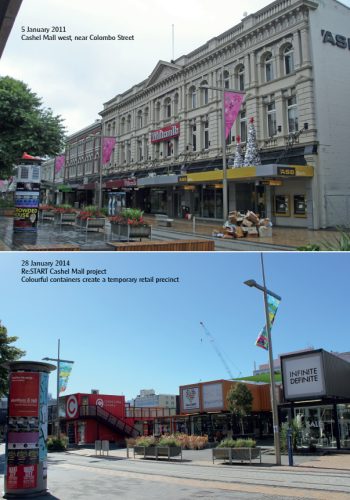
To date she has now published six books on the impact, rebuild and recovery of the city after the Christchurch EQs. One recurring topic in her books is the role of Local Businesses on kick starting the rebuild in the central city with initiatives like Re:START Container Mall , Riverside Market, and The Terrace

Cafe Reflections Christchurch Earthquake
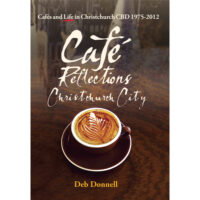
Deb Donnell's book, Cafe Reflections Christchurch City is her tribute to the local business community she was part of from her childhood years until the Christchurch EQ years. It also shares her personal story and the psychological impact on her, and many others.
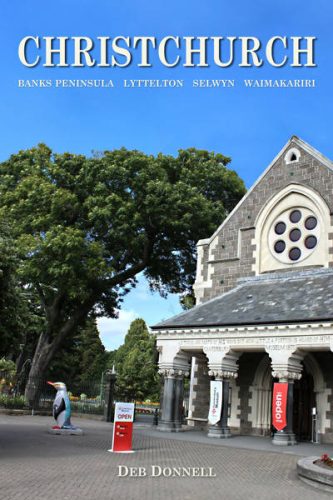
Keswin Christchurch 2014 Pre-Earthquake Book
From Christchurch Then and Now Volume 1

Community Initiatives and Grassroots Efforts

While the local government played a crucial role, the grassroots efforts and community initiatives were equally significant in the Christchurch EQ recovery. Residents, driven by a strong sense of community and resilience, launched numerous initiatives to support one another and rebuild their city. These grassroots efforts ranged from small neighbourhood projects to larger community-led organisations focused on various aspects of recovery.

One notable initiative was the creation of the Gap Filler project, which aimed to transform vacant lots left by demolished buildings into vibrant community spaces. These temporary installations, including pop-up gardens, outdoor cinemas, and performance spaces, provided a sense of normalcy and hope amidst the chaos. The project not only revitalised empty spaces but also fostered community engagement and creativity.

A Gap Filler project in April 2012, on the corner of Peterborough and Colombo Streets showing potential alternative raised construction techniques for earthquake and flooding protection

Another significant effort was the establishment of the Student Volunteer Army (SVA), a group of university students who mobilised to assist with the recovery efforts. The SVA played a crucial role in providing practical support, such as clearing debris, distributing supplies, and offering emotional support to residents. Their actions exemplified the spirit of volunteerism and demonstrated the power of collective action in times of crisis.

Infrastructure Rebuilding: Challenges and Progress

Rebuilding Christchurch’s infrastructure presented a myriad of challenges. The extensive damage to roads, bridges, water systems, and buildings required a massive and coordinated effort. One of the primary challenges was ensuring that the new infrastructure would be more resilient to future earthquakes. This involved incorporating advanced engineering techniques and innovative design principles to enhance the city’s durability.

The rebuilding process also faced logistical challenges, such as managing the removal of debris and coordinating the work of various contractors and agencies. The scale of the destruction meant that rebuilding efforts had to be prioritised, with critical infrastructure being addressed first. Despite these challenges, significant progress has been made over the years, with many key projects completed and others well underway.

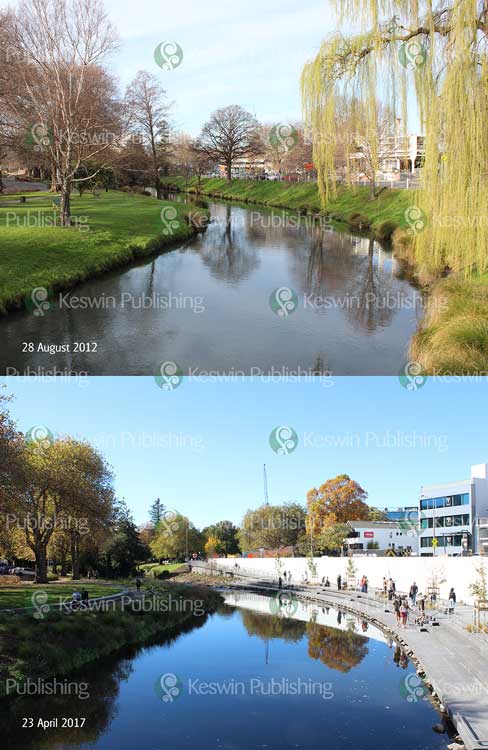
A notable example of the progress made is the Christchurch Town Hall, which has been meticulously restored to its former glory. This iconic building, severely damaged in the earthquake, has been brought back to life through careful reconstruction efforts. Similarly, the Avon River Precinct has been revitalized, transforming the riverbanks into a vibrant public space that celebrates the city’s natural beauty and provides a focal point for community activities.

Christchurch 2017 Then Now Book
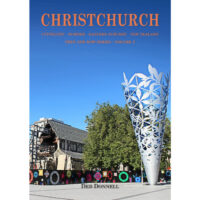
The Avon river along Oxford Terrace (near Montreal Street) was redeveloped for the Oi Manawa Canterbury Earthquake National Memorial. Photo from Christchurch Then and Now Volume 3
We assisted Dr Alan Fayter with his self-help book, How to Chill Out: Earthquake Proof Strategies for Staying Calm in Any Crisis

Psychological Resilience: Supporting Mental Health

The psychological impact of the earthquake was profound, affecting the mental health and well-being of many residents. The trauma of the event, coupled with the stress of recovery, took a toll on individuals and families. Too often, the ongoing battles with insurance companies and the government run Earthquake Commission (EQC) added further stress. Some claims are still not settled 15 years later.

Recognising the importance of mental health in the recovery process, various initiatives were launched to provide support and build psychological resilience within the community.

Mental health services were expanded to ensure that those in need had access to professional support. Counselling services, support groups, and helplines were established to provide immediate assistance to those struggling with trauma and anxiety. Efforts were also made to raise awareness about the importance of mental health and to reduce the stigma associated with seeking help.

Community-based initiatives played a crucial role in supporting mental health. Programs such as the All Right? campaign focused on promoting well-being and encouraging residents to take care of their mental health. This campaign provided practical tips and resources to help individuals cope with stress and build resilience. By fostering a culture of openness and support, these initiatives helped the community navigate the emotional challenges of recovery.

Economic Recovery and Business Revitalisation

As already mentioned, the Christchurch EQ had a devastating impact on the  city’s economy, with many businesses destroyed or severely affected. The road to economic recovery was challenging, requiring coordinated efforts to rebuild the business sector and attract investment. The local government, in collaboration with business organisations, implemented a range of strategies to support economic revitalisation.

One of the key strategies was providing financial assistance to affected businesses. Grants, loans, and subsidies were made available to help businesses rebuild and resume operations. Efforts were also made to attract new businesses and investment to the city, with incentives offered to encourage economic growth. These measures helped to stimulate economic activity and create jobs, contributing to the overall recovery of the city.

Innovation and entrepreneurship played a significant role in the economic recovery. The establishment of innovation hubs and business incubators provided a platform for new ventures and startups to thrive. Initiatives such as the Enterprise Precinct and Innovation Campus (EPIC) brought together entrepreneurs, researchers, and investors, fostering a collaborative environment for business growth. This focus on innovation helped to diversify the economy and position Christchurch as a hub for creativity and enterprise.

Many exiled CBD businesses operated out of temporary pop-up premises or containers outside of the CBD. Often former competitors would co-share a location, as happened with Donnell Jewellers and Kennetts Jewellers, who set up a shop in Sydenham for several months in 2012. Not all businesses survived, with insufficient insurance payouts or government support to cover the costs of setting up again, either in temporary or new permanent premises.

Lessons Learned: Preparing for Future Disasters

The Christchurch EQ provided valuable lessons in disaster preparedness and response. One of the key takeaways was the importance of building resilience at all levels – from individual households to the broader community and infrastructure. This involves not only physical resilience but also social and economic resilience, ensuring that the community is better equipped to withstand and recover from future disasters.

Investing in resilient infrastructure is crucial. This includes using advanced engineering techniques and materials that can withstand earthquakes and other natural disasters. Building codes and regulations have been updated to reflect these standards, ensuring that new constructions are more robust. Retrofitting existing buildings to enhance their resilience is also an ongoing priority.

Community engagement and education are essential components of disaster preparedness. Empowering residents with knowledge and resources to prepare for emergencies can significantly enhance community resilience. Initiatives such as emergency preparedness workshops, public awareness campaigns, and community drills help to build a culture of readiness. By fostering collaboration and communication, the community can respond more effectively to future disasters.

The Importance of Community Engagement in Recovery

Community engagement has been a cornerstone of Christchurch’s recovery efforts. The involvement of residents in decision-making processes has ensured that the recovery initiatives are aligned with the needs and aspirations of the community. This participatory approach has fostered a sense of ownership and empowerment, encouraging residents to take an active role in rebuilding their city.

Public consultations and workshops have provided a platform for residents to voice their opinions and contribute to the recovery plans. These forums have facilitated meaningful dialogue between the community and government agencies, ensuring that the recovery efforts are inclusive and transparent. By incorporating diverse perspectives, the recovery initiatives have been more effective and responsive to the community’s needs.

Community engagement has also been instrumental in fostering social cohesion and resilience. Initiatives such as community gardens, local art projects, and neighbourhood events have brought residents together, strengthening social bonds and creating a sense of belonging. These activities have provided opportunities for residents to connect, share experiences, and support one another. The strong sense of community has been a driving force in Christchurch’s recovery.

Conclusion: A Vision for a Resilient Future

As Christchurch continues its journey of recovery and rebuilding, the city stands as a testament to the power of resilience and community spirit. The progress made over the past decade is a reflection of the collective efforts of the local government, community organisations, and residents. While the scars of the earthquake remain, they serve as a reminder of the strength and determination that have brought Christchurch to where it is today.

Looking ahead, the vision for Christchurch is one of a resilient and vibrant city. The focus remains on building a sustainable urban environment that can withstand future challenges. This involves ongoing investment in resilient infrastructure, economic development, and social well-being. By continuing to prioritise community engagement and collaboration, Christchurch is well-positioned to thrive in the face of adversity.

The journey of Christchurch offers valuable insights and inspiration for cities worldwide grappling with their own challenges. The lessons learned from the Christchurch EQ underscore the importance of preparedness, resilience, and community cohesion.

As we reflect on Christchurch’s remarkable transformation, we are reminded that recovery is not just about rebuilding structures but also about restoring hope and creating a brighter future. The story of Christchurch is a beacon of light, demonstrating that even in the face of immense adversity, a community can rise, rebuild, and flourish.

Purchase Our Books to Learn More About the Christchurch EQ Story

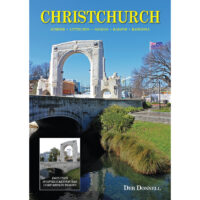
We have been focusing on documenting and telling the inspiring and transformative story of the city since the Christchurch EQ. Our books include the popular Christchurch Then and Now Series, and all four volumes can be purchased here on our website, or from local bookstores and tourist attractions.  

Shopping Basket
Scroll to Top